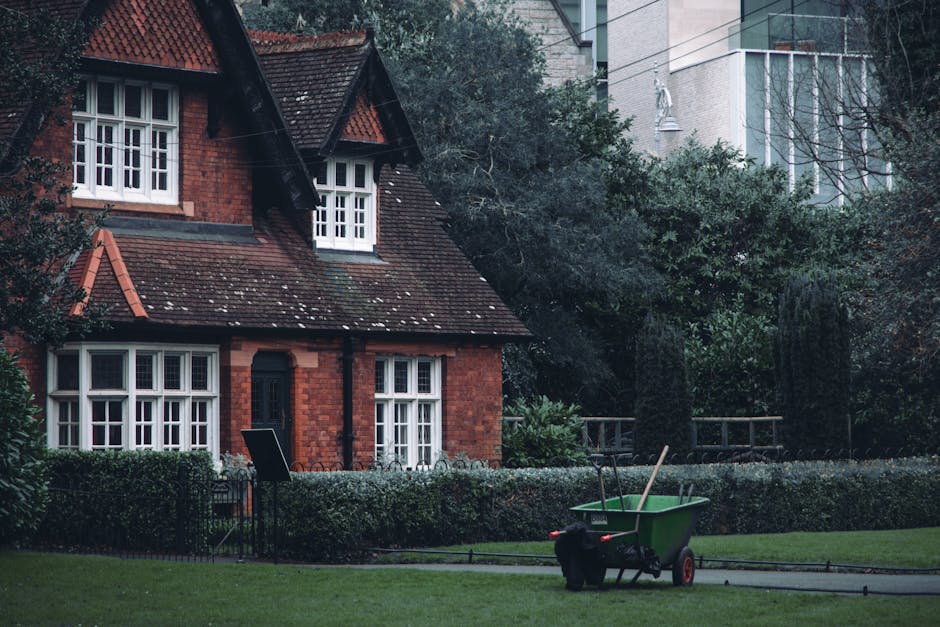
Abbey Wood station garden maintenance for small front gardens

If you live near Abbey Wood station, you probably know the rhythm of the area: busy mornings, a quick dash for the train, and not much spare time for the front garden. That is exactly where Abbey Wood station garden maintenance for small front gardens becomes useful. A small frontage can make a big first impression, but only if it stays neat, manageable, and planted with a bit of thought. The trick is not doing more. It is doing the right things, at the right time, without turning the space into a weekly chore.
This guide walks through what small front garden maintenance involves, how it works in a real home near Abbey Wood, and what to watch out for if your path, hedge, planter, or tiny lawn is starting to get out of hand. You will also find practical steps, a comparison of maintenance approaches, and a simple checklist you can actually use. Nothing fancy. Just clear, useful advice that helps your front garden look cared for, even when life is a bit full-on.
Why Abbey Wood station garden maintenance for small front gardens Matters
Small front gardens are often underestimated. They are easy to ignore because, well, they are small. But the front of your home is the bit people notice first, and it is also the part that can become messy fastest. A few weeks of weather, leaf fall, weeds in the cracks, and one overgrown shrub can make the whole place feel tired.
Near Abbey Wood station, that matters for a few reasons. Homes close to transport links tend to see more daily foot traffic, more visibility from passers-by, and a faster pace of life. A tidy, well-kept frontage can make arriving home feel calmer too. There is something oddly satisfying about stepping off the pavement and seeing a clipped hedge, swept path, and planted border rather than a tangle of neglected pots. It changes the mood straight away.
There is a practical side as well. Small front gardens can suffer from compacted soil, poor drainage, and awkward layouts. If a space is narrow, shaded, or boxed in by fences and boundaries, small issues snowball quickly. One cracked paving edge becomes a weed line. One thirsty plant dries out a bed. One untamed climber starts blocking windows. You know how it goes.
Good maintenance prevents that build-up. It also protects the value and usability of the space. A tiny front garden can still do a lot: soften a property, frame the entrance, support pollinators, and make the approach to the house feel more welcoming. That is the real point. It is not about having a show garden. It is about having a place that works.
If you want a broader view of how this sits within professional care, the services overview is a useful place to see the wider range of garden support available.
How Abbey Wood station garden maintenance for small front gardens Works
In simple terms, small front garden maintenance is a regular cycle of cutting back, tidying, weeding, checking plant health, and keeping hard surfaces safe and presentable. The exact rhythm depends on what is in the garden. A front border planted with shrubs needs a different approach from a tiny lawn, and both are different again from a paved entrance with pots and a hanging basket or two.
For most small front gardens, the process usually includes:
- removing weeds from borders, paths, and pavement edges
- trimming hedges, shrubs, and climbers so they stay in scale
- deadheading flowers and removing damaged growth
- mowing or edging small lawns, if present
- sweeping leaves, grit, and general debris
- checking drainage, pots, and soil condition
- refreshing mulch or compost where needed
The best maintenance is not a one-off rescue. It is a pattern. A small garden often benefits from lighter, more frequent visits instead of big, rare clear-outs. That keeps growth in check and stops the space from tipping into overgrown territory. To be fair, once a front garden is heavily congested, even a tidy-up can take much longer than people expect.
There is also a design side to the work. Small spaces need proportion. A shrub that looks lovely in a large rear garden can feel bossy at the front of a narrow terrace. Maintenance therefore includes shaping, reducing visual clutter, and keeping planting choices realistic for the space. That may mean lifting the canopy of a plant, simplifying a border, or replacing one stubborn area with a lower-maintenance alternative.
If you are comparing support options, it helps to look at both service scope and practical expectations. You can review pricing and quotes when you are ready to understand how a job might be scoped, and check about us if you want a better feel for the team behind the work.
Key Benefits and Practical Advantages
There is a reason small front garden maintenance gets overlooked until it becomes urgent. It is not dramatic. It is just quietly valuable. A tidy front area gives you more than a neat-looking entrance.
- Better kerb appeal: a clean, balanced frontage makes the property feel cared for.
- Safer access: fewer weeds, less debris, and clearer paths reduce trip hazards.
- Less stress: small, regular tasks are easier than a giant seasonal overhaul.
- Healthier plants: pruning and feeding at the right time supports stronger growth.
- More usable space: even a compact area can feel bigger when it is not cluttered.
- Lower long-term effort: consistent maintenance prevents a bigger job later.
A small front garden can also be surprisingly good at setting the tone for the whole house. You may not notice it every time, but visitors do. Neighbours do too. And honestly, you do as well, especially on a grey winter evening when the front step looks clean and the plants are still holding their shape.
There is another practical win: maintenance helps you spot problems early. A cracked pot, an insect issue, a failing shrub, or a drainage snag is far easier to deal with before it spreads. In small spaces, early action matters more because there is simply less room for damage to hide.
If sustainability matters to you, maintenance can be done in a waste-conscious way too. Green waste can often be handled responsibly, and a modest planting plan can reduce future watering and replacement needs. If that is important in your household, take a look at the recycling and sustainability approach.
Who This Is For and When It Makes Sense
This kind of maintenance makes sense for a wide range of homeowners and landlords near Abbey Wood station. It is especially useful if your front garden is small, visible from the street, or difficult to keep on top of because of work, travel, family life, or mobility issues.
You might need it if:
- your front garden is too small to justify a large gardening project, but still needs regular care
- you have shrubs, hedges, or climbers that keep outgrowing their space
- you want a neat entrance without spending every weekend trimming and sweeping
- you are preparing a property for sale or rental viewings
- you have moved into a home with a tired or neglected frontage
- you need someone to manage the bits that build up quickly, like weeds and leaf fall
It also suits people who prefer a predictable routine. Some front gardens do fine with monthly maintenance. Others need more frequent attention during spring and summer, especially if the planting is vigorous or the weather has been generous. June can be a bit of a sprint, to be fair. Growth does not ask whether you are busy.
Landlords and property managers often benefit from it too. A front garden can affect first impressions before anyone even gets to the door. If you manage a property near a station, where convenience and presentation matter, keeping the frontage tidy is one of the simplest ways to avoid avoidable complaints.
For readers who want to understand service boundaries, quality expectations, and what is usually included, the terms and conditions can help set the scene in plain terms.
Step-by-Step Guidance
If you are trying to organise or understand maintenance for a small front garden, this is the simplest way to think about it. Start with the layout, then the plants, then the routine. Not the other way round.
1. Assess the space properly
Walk from the pavement to the front door and look at what actually needs attention. Is the issue weeds, a hedge, a tired border, or just general mess? Small gardens often have one or two dominant problems rather than ten. That is good news. It means the work can be targeted.
2. Clear the obvious clutter first
Remove dead leaves, broken branches, old pots, and anything blocking the path or entrance. A tiny space feels much larger when the clutter is gone. This quick win matters more than people think.
3. Deal with weeds and edging
Weeds love gaps between paving, brick edges, and border corners. Clear them before they seed or spread. A clean edge makes the whole garden look sharper, even if the planting itself is fairly simple.
4. Prune for size and shape
In a small front garden, pruning is not just about neatness. It is about scale. Keep shrubs from crowding windows, doors, and paths. If a plant is too large for the space, reduce it gently or consider whether it belongs there at all.
5. Refresh soil and feed where needed
A compact garden can become tired fast if the soil is poor. Top-dressing, mulch, or compost can help retain moisture and improve plant condition. Keep this sensible and light. A front border does not need to look like a farm allotment.
6. Check drainage and watering needs
Small front gardens can dry out quickly in sunny spots and stay soggy in shaded, compacted ones. Pots are especially prone to drying unevenly. If you notice water sitting after rain, that is a sign to rethink soil structure or pot placement.
7. Finish with sweeping and a final visual check
Once the practical work is done, step back. Look at the line of the hedge, the path edges, and how the entrance feels from the street. That final glance often catches what the hands missed. It is a simple habit, but a useful one.
Expert Tips for Better Results
A few small choices make a big difference in compact front gardens. The goal is not perfect control. It is calm, manageable order.
- Choose plants that suit the scale. Slow-growing shrubs, compact evergreens, and low-maintenance perennials are usually easier to manage than fast, sprawling species.
- Keep one visual focal point. A small front garden looks better when it has a bit of structure, such as one well-shaped shrub or a clean row of pots.
- Mulch lightly and consistently. This reduces weed growth and helps moisture stay in the soil. Little and often tends to work better than a huge dump of material.
- Trim before things get awkward. In small spaces, early pruning saves time and keeps access clear. Letting growth go for too long almost always backfires.
- Use pots sparingly. Too many containers can make a small frontage feel cramped. A couple of well-chosen planters usually looks better than six random ones.
- Think about winter as well as summer. A front garden should still look presentable when flowers are gone. Evergreen structure helps a lot.
One thing many people miss: maintenance is not just visual. It is behavioural. If the garden is easy to walk through, easy to sweep, and easy to water, you are far more likely to keep it looking good. If it is awkward, it gets skipped. Simple as that.
If you are deciding whether you need professional help or just a tidy seasonal reset, a practical discussion with a local gardener can clarify the difference between ongoing upkeep and one-off work. When in doubt, ask for a scope that matches the actual size of the garden, not the noise the weeds are making.
Common Mistakes to Avoid
Small front gardens tend to fail in predictable ways. The good news is that most mistakes are fixable. The less good news? They often start with good intentions.
- Overplanting: too many plants create visual clutter and make maintenance harder.
- Choosing the wrong species: a vigorous plant can outgrow a small frontage quickly.
- Ignoring edging and paving: weeds in the cracks make even decent planting look untidy.
- Letting hedges grow too wide: this narrows entrances and can make the space feel boxed in.
- Using too much decorative material: gravel, ornaments, and pots can overwhelm a tiny garden if they are not balanced.
- Leaving seasonal jobs too late: pruning, deadheading, and leaf clearance are easier when tackled promptly.
One of the sneakiest mistakes is assuming that a front garden only needs attention when it looks bad. By the time it looks bad, the work is already bigger. Not impossible, just bigger. A little rhythm prevents the whole thing from becoming a half-day slog with no coffee break.
Another common issue is planting for the photos rather than the site. That sounds harsh, but it happens all the time. A plant that thrives in a sunny suburban border may sulk in a narrow shaded front space near a wall. Maintenance starts with choosing things that suit your actual conditions, not your ideal ones.
Tools, Resources and Recommendations
You do not need a van full of specialist kit to maintain a small front garden well. In fact, too much equipment can make simple jobs slower. The essentials are usually enough.
- Hand shears or secateurs: for shaping shrubs, deadheading, and tidy cuts.
- A small rake or hand fork: useful for clearing debris and loosening compacted topsoil.
- Weeding tool: for removing roots from paving cracks and borders.
- Lightweight broom: ideal for paths, steps, and entrances.
- Gloves: basic but non-negotiable, really.
- Compost or mulch: for refreshing the soil surface and improving moisture retention.
- Watering can or hose access: especially important for containers and new planting.
If you are comparing a do-it-yourself approach with professional maintenance, think about time, consistency, and finish quality. DIY can be fine for a very simple frontage. But if the garden includes pruning, repeated weeding, hedge shaping, or seasonal resets, a professional visit may save more time than it costs in effort.
For people who want a straightforward next step, the easiest route is often to view the available garden services and then check contact options when you are ready to ask about your own space. No drama. Just a practical conversation.
Law, Compliance, Standards, or Best Practice
For most front garden maintenance, there is no complicated legal framework attached to the work itself. That said, there are still sensible standards and responsibilities to keep in mind, especially in a residential street setting.
Access and safety: paths, steps, and entrances should be kept clear of slippery debris, trip hazards, and overgrowth. That is not just good practice. It is common sense, and it matters more when people regularly enter and leave the property.
Boundary awareness: if a hedge, shrub, or climber sits close to a neighbour's side or a shared boundary, trimming should be handled carefully and respectfully. If there is any doubt, it is better to check before cutting back hard.
Waste handling: garden waste should be removed and processed responsibly. The exact arrangement depends on the job and the service provider, but tidy disposal matters. It keeps the site cleaner and reduces disruption for everyone nearby.
Insurance and public safety: if a gardener is working in a front area that is visible and accessible from the street, sensible risk management matters. This includes safe tool handling, secure working practices, and making sure the property is not left with sharp debris or unstable materials lying about. If you want to understand how a provider approaches this, their health and safety policy and insurance and safety information are worth reviewing.
Customer rights and service clarity: clear terms, payment processes, and complaint handling are all part of a trustworthy service. It sounds dull, but it prevents confusion later. That is why pages such as payment and security and complaints procedure can be genuinely useful before booking.
Options, Methods, or Comparison Table
There is more than one way to maintain a small front garden. The right choice depends on how much time you have, how mature the planting is, and whether you want a one-off tidy or ongoing care.
| Approach | Best for | Strengths | Trade-offs |
|---|---|---|---|
| DIY maintenance | Very small, simple front gardens | Low direct cost, flexible timing, hands-on control | Can be inconsistent, easy to miss seasonal tasks, time-consuming |
| One-off tidy-up | Overgrown or neglected small front gardens | Fast visible improvement, clears the backlog | Problems can return if no follow-up routine is set |
| Regular scheduled maintenance | Busy households, visible frontage, rental properties | Keeps growth under control, predictable, neat year-round | Requires a recurring budget and coordination |
| Seasonal maintenance | Gardens that mostly stay tidy but need quarterly attention | Good balance between cost and upkeep | May not be enough during fast growth periods |
If your front garden sits in that awkward middle ground, not tiny enough to ignore and not large enough to need elaborate planning, seasonal maintenance is often a good compromise. It gives structure without overcommitting. And frankly, that suits a lot of Abbey Wood households.
Case Study or Real-World Example
Picture a small front garden near Abbey Wood station: a narrow path, one tired shrub, a couple of pots, and weeds along the brick edge. Nothing dramatic. Just a bit neglected after a busy few months. The homeowner keeps meaning to sort it, but between commuting, school runs, and general life admin, it keeps slipping.
The first visit is about getting control back. The path is cleared, the weeds are lifted from the cracks, the shrub is reduced in size, and the dead stems are removed. The pots are grouped more neatly instead of sitting in a random line. A light mulch goes down in the border. Suddenly the front of the house looks twice as wide, even though nothing major has been added.
A month later, the maintenance is simpler. A quick tidy, a bit of edging, and a check on the plants. That is the real benefit of regular care: the work gets smaller instead of bigger. There is no magic to it. Just consistency. And a sensible eye for scale.
That sort of result is common in compact urban front gardens. The biggest gains usually come from reducing clutter, reshaping overgrowth, and keeping the entrance area clean. A full redesign is not always needed. Sometimes the garden just needs someone to give it back its boundaries.
Practical Checklist
Use this checklist if you want a quick way to judge whether your front garden is under control or quietly heading off the rails.
- Are the path and entrance clear of leaves, weeds, and loose debris?
- Are shrubs and hedges staying within the space they are meant to occupy?
- Do the borders look tidy rather than crowded?
- Are pots watered and positioned sensibly?
- Is the garden visible from the street in a way that feels neat and intentional?
- Have you checked for broken edges, cracked pots, or other small hazards?
- Is the planting suited to the amount of sun, shade, and space available?
- Have seasonal tasks like pruning, feeding, and deadheading been done on time?
- Do you have a simple routine, or is everything being left until it becomes urgent?
- Would a one-off tidy-up or regular maintenance make more sense?
Expert summary: for small front gardens, good maintenance is really about scale, rhythm, and restraint. Keep the entrance clear, the planting realistic, and the routine simple enough that it can actually be maintained. That is the sweet spot.
Conclusion
Abbey Wood station garden maintenance for small front gardens is not about chasing perfection. It is about making a compact space look cared for, welcoming, and easy to live with. A small front garden can have a big impact if it is kept in shape with light, regular attention. And once you get the balance right, it stops feeling like a burden and starts feeling like part of the home again.
The main things to remember are simple: cut back growth before it takes over, keep paths clear, choose plants that suit the scale, and stay on top of the basics before they turn into a bigger job. If your frontage feels too busy or too tired, that is usually a sign that the routine needs resetting, not that the space is beyond help. Far from it.
If you are ready to explore a tidy, practical approach for your own home, take a look at the available garden maintenance services and request a quote when it suits you. A small, well-kept front garden has a quiet kind of charm. It is not loud. It just works.
Get a free quote today and see how much you can save.
Sometimes the smallest outdoor spaces end up making the warmest welcome. That is a nice thing to come home to.
Frequently Asked Questions
What does Abbey Wood station garden maintenance for small front gardens usually include?
It usually covers weeding, pruning, hedge trimming, sweeping paths, tidying borders, checking plant health, and keeping the entrance area neat. Some visits also include mulching, deadheading, and light reshaping so the garden stays in proportion.
How often should a small front garden near Abbey Wood station be maintained?
It depends on the planting and the season. Many small front gardens benefit from light maintenance every few weeks during the growing season, then less often in winter. If growth is fast or the entrance gets messy quickly, a more regular schedule helps.
Is a one-off tidy-up enough for a very small front garden?
Sometimes, yes. If the space is simple and the planting is low-maintenance, a good tidy-up may carry it for a while. But if weeds, hedges, or shrubs come back quickly, ongoing visits usually save time in the long run.
Can small front gardens still look good with low-maintenance planting?
Absolutely. In fact, they often look better. Compact evergreens, slow-growing shrubs, and a few well-placed pots can create structure without creating a lot of upkeep. The key is to avoid overcrowding the space.
What are the biggest problems with small front gardens?
The usual issues are overgrown shrubs, weeds in paving cracks, poor drainage, too many pots, and planting that is too large for the space. Because the area is small, even minor issues become obvious quite quickly.
Do I need professional help, or can I manage it myself?
If the garden is very simple, you may manage it yourself with a basic routine. If it includes hedges, awkward borders, or regular weed problems, professional help can be worth it because it keeps the work from building up.
How do I know if my front garden has become overgrown?
If the path feels narrow, the entrance is partially blocked, the shrubs are touching the house or fence, or the garden looks cluttered from the street, it has probably drifted past the point of routine upkeep. Nothing terrible. Just overdue for attention.
What should I ask before booking garden maintenance?
Ask what is included, how often the work is recommended, how waste is handled, whether the provider is insured, and how pricing is structured. Clear answers at the start usually mean fewer surprises later.
How can I keep a small front garden tidy between visits?
Do quick weekly checks for weeds, leaves, and damaged growth. A five-minute sweep and a glance at the borders can prevent the garden from slipping into disarray. Small habits matter a lot in small spaces.
Is garden waste removed as part of maintenance?
That depends on the service arrangement, so it is worth confirming in advance. Responsible waste handling is part of good practice, especially if the work involves pruning, clearing, or seasonal cutbacks.
What if my front garden is mostly paved with just a few plants?
That still counts as a garden worth maintaining. In fact, paved front spaces often need regular sweeping, weed removal from joints, and simple pot care to stop them from looking tired. Less planting does not mean no upkeep.
Can maintenance help if I am thinking about selling my home?
Yes. A neat front garden can improve first impressions and make the property feel cared for. It is one of the simplest visual upgrades you can make before viewings, and it often has more effect than people expect.
Where can I find more information about service standards and policies?
You can review helpful pages such as health and safety policy, insurance and safety, and privacy policy for a clearer picture of how professional services are handled.