Garden clearance access problems in SE2 local gardeners guide
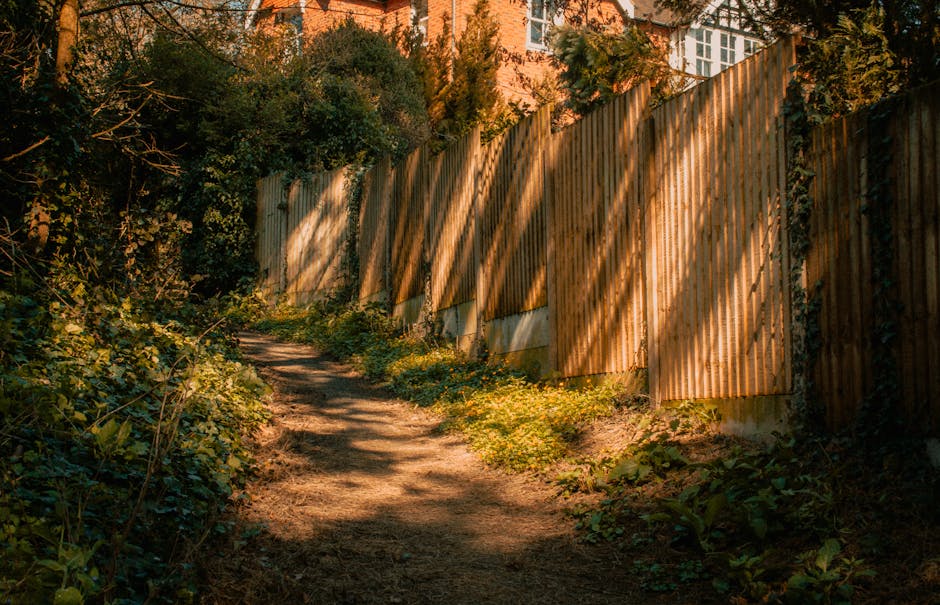
If you are dealing with overgrown beds, a cluttered rear garden, or a full clearance job in SE2, access can make the whole thing feel harder than it should. Narrow side passages, shared walkways, awkward steps, no rear gate, basement gardens, parking restrictions, and a pile of green waste that needs moving through a tight route... it all adds up. This Garden clearance access problems in SE2 local gardeners guide walks through what usually goes wrong, what experienced local gardeners look for, and how to plan a clearance so it runs smoothly instead of turning into a stressful afternoon.
Truth be told, most garden clearances are not difficult because of the garden itself. They become difficult because of the access. And once you understand that, the rest becomes far more manageable. Below you will find practical steps, a comparison of common clearance methods, a real-world style example, and a checklist you can use before anyone arrives at the gate.
Why Garden clearance access problems in SE2 local gardeners guide Matters
Access is not a side issue; it often decides whether a garden clearance feels straightforward or painfully slow. In SE2, many homes have compact plots, shared alleyways, terraced layouts, or limited front access. That means waste may need to be carried through the property, down a side passage, or in small loads rather than one clean run to the vehicle.
Why does that matter? Because every extra turn, narrow gap, and protected surface changes the time, labour, and equipment needed. A small clearance in an easy-access garden can take less effort than a much smaller garden with poor access. That surprises people all the time.
There is also a practical safety angle. If access is awkward, there is a higher chance of scratched fencing, damaged paving, strained backs, broken bags, and trips on uneven ground. A careful gardener will notice these risks before moving a single branch. That is one reason local knowledge helps. A crew that understands SE2 layouts is usually better at planning routes, protecting surfaces, and choosing the right equipment in the first place.
If your project is part clearance, part reshaping, or linked to ongoing upkeep, it may also help to think beyond one-off removal. Services such as garden maintenance and hedge trimming can keep access routes usable so the next clearance is easier. Not glamorous, I know, but very effective.
How Garden clearance access problems in SE2 local gardeners guide Works
The process usually starts with a simple access assessment. That can happen over the phone, through photos, or during a site visit. A good gardener will want to know how waste gets out, where tools can be brought in, and whether there are any fragile surfaces, tight corners, or locked gates that could slow everything down.
Here is the practical flow most local gardeners follow:
- Check the access route. Measure narrow gaps, note steps, and look for obstructions such as bins, bikes, washing lines, or stored materials.
- Assess the waste volume. Dense ivy, heavy soil, wet cuttings, timber, and mature shrubs all create different handling demands.
- Decide on manual handling or machinery. Some jobs can be done with hand tools and bags. Others benefit from carts, barrows, or a more segmented approach.
- Protect the property. Ground sheets, careful stacking, and planned movement paths reduce the chance of damage.
- Clear in stages. Good teams often work from the furthest point back toward the exit so material is not constantly rehandled.
- Remove and sort waste. Green waste, mixed waste, timber, and reusable materials may need separating depending on the job.
To be fair, the best clearance jobs look almost boring from the outside. A bit of planning, a bit of patience, and no drama. That is the goal. If a company offers garden clearance as part of a wider service, it is worth asking how they handle tight access specifically, not just how they clear the garden in general.
You will also see different approaches depending on the type of garden. Front gardens with direct access are much easier than rear gardens reached only through the house. Basement or split-level gardens can be a world of their own. And shared alleyways? Let's just say they are perfectly workable, but they need a calm, tidy plan. No heroic improvising. That is how mistakes happen.
Key Benefits and Practical Advantages
Dealing with access properly does more than save time. It improves the whole experience for everyone involved.
- Less disruption. A clear access plan means fewer trips through the property and less noise, mess, or stress for the household.
- Lower risk of damage. Careful route planning helps protect steps, slabs, fences, painted walls, and door frames.
- Better labour efficiency. If the team knows the route and the pinch points, they can work in a steady rhythm rather than stopping and starting.
- More accurate quotes. Access is one of the biggest variables in estimating the real effort involved.
- Cleaner finish. Well-managed routes usually mean less mud, fewer stray cuttings, and a tidier property at the end.
- Safer working conditions. Good access planning lowers the chance of trips, slips, and awkward lifting.
There is a commercial benefit too. If you are comparing providers, the company that asks sensible access questions usually gives a more realistic quote. That does not automatically make them cheaper, but it often makes them more reliable. And reliability matters more than a headline number when the garden is full of thorny brambles and nobody wants a damaged gate latch.
Where access is especially limited, it can be useful to combine clearance with other services. For example, if overgrown shrubs are blocking a path, a targeted tidy-up from lawn mowing or ongoing boundary work such as hedge trimming may keep the route usable between visits. Small things, but they add up.
Who This Is For and When It Makes Sense
This guide is useful if you are a homeowner, landlord, tenant with permission, letting agent, property manager, or simply someone facing a garden that has got away from you a bit. Happens to the best of us. One wet winter, one busy season, a few missed weekends, and suddenly the back garden is more bramble than border.
It makes particular sense if any of the following sound familiar:
- You have a narrow side passage and the garden sits behind the house.
- You need clearance after a long period of neglect.
- There are heavy or bulky items to remove, not just soft green waste.
- The garden is shared, rented, or part of a property with limited storage space.
- You want a clearance that avoids damage to paving, decking, or planting you want to keep.
- You are trying to prepare the space for a larger upgrade or redesign.
If the long-term plan includes structural changes, it can help to speak with a team that also offers landscaping or landscape gardening. That way, clearance does not become a dead-end job. It becomes the first stage of something better.
And yes, if the garden has become home to a very determined patch of ivy, self-seeded saplings, or a shrub that seems to have developed opinions, you are in the right place.
Step-by-Step Guidance
Here is a practical way to approach an SE2 garden clearance when access is awkward.
1. Walk the route before anything is moved
Start at the entrance and follow the full route to the garden. Check for tight corners, low branches, trip hazards, uneven paving, and anything fragile that could be knocked. If the route passes through the house, note skirting boards, narrow hallways, and flooring that needs covering.
2. Separate what stays, what goes, and what needs care
This sounds obvious, but it saves hassle. Keep plants, ornaments, tools, and features you want to retain clearly marked. A small pile of pots can easily get mixed into a clearance load if nobody is paying attention. Been there, seen that, and nobody is thrilled.
3. Measure the pinch points
Check the narrowest gaps, the height of steps, the swing of gates, and whether barrows can actually turn. A route that looks fine for a person may be too tight for moving bulky waste bags or branches.
4. Plan the waste movement route
Decide where cuttings will be stacked temporarily, where bags will be filled, and how items will leave the site. On difficult jobs, moving waste in smaller loads is often more efficient than forcing one big run.
5. Use the right tools for the access
Hand tools, folding saws, pruning tools, contractor bags, tarps, and compact carts all make sense in the right situation. Bigger is not always better. In tight access gardens, nimble often beats brute force.
6. Protect the property while working
Lay coverings where needed, especially on soft or expensive surfaces. On damp mornings you may notice muddy footprints appear very quickly, so wiping down routes and lifting waste carefully is worth the extra minute.
7. Clear in a logical order
Usually this means starting with the most obstructive growth first, then moving to loose waste, then final detail work. Cutting your way to the exit can feel slower at first, but it stops the space from getting blocked again.
8. Finish with a final sweep and check
Look for hidden debris, sharp offcuts, exposed roots, and anything left behind in corners. A proper finish is not just about "looking tidy"; it is about making the space safe and usable again.
Expert Tips for Better Results
After enough clearances, a few patterns become very obvious.
- Send photos from the entrance, not just the garden. The access route is usually more important than the mess itself.
- Mention bins, bikes, and stored items upfront. These are small details, but they can change the whole job plan.
- Ask how waste will be moved. If the answer sounds vague, that is a clue.
- Choose smaller, safer loads where needed. Repeated trips may look inefficient, yet they often prevent accidents and property damage.
- Schedule around weather if you can. Wet paving and muddy lawns make access harder very quickly.
- Keep the route clear on the day. Even ten minutes of moving items out of the way can save a lot of frustration.
A small but useful tip: if you have decking, check how stable the route is before allowing heavy bags across it. The same goes for older slabs that wobble underfoot. If there is any doubt, say so early. A sensible team would rather adjust the plan than discover the problem halfway through. If you are also considering improvement work after the clearance, decking services may be relevant later, but first the access route needs to be safe.
And here is the slightly unglamorous truth: a tidy access route makes everyone look better. The gardener works more efficiently, the property stays cleaner, and the customer ends up feeling like the job was handled with care. Simple, really.
Common Mistakes to Avoid
Most access problems in garden clearance come from assumptions. People assume the side gate is wide enough. They assume the waste will fit through in one go. They assume the team will just "manage somehow". Sometimes they do. Sometimes they don't. Better not to gamble.
- Not measuring the route. A gate that looks generous may still be too tight for wheelbarrows or branch bundles.
- Hiding the difficult bit. If the only way in is through a narrow kitchen side return, say it early.
- Leaving fragile items in the way. Pots, ornaments, and hanging baskets need a clear decision before work starts.
- Ignoring parking and loading space. Access outside the property matters too, especially when waste needs to be loaded efficiently.
- Expecting every clearance to be done the same way. One garden may suit a fast open-route approach; another may need a careful, staged method.
- Forgetting ongoing maintenance. If access is already tight, allowing the garden to grow wild again only makes the next clearance harder.
One more mistake, and this one is common: people ask for a "quick quote" but do not mention the access issue until the day. That usually leads to delays or revised pricing. Better to be upfront. Saves time. Saves awkwardness. Everyone breathes easier.
Tools, Resources and Recommendations
You do not need a shed full of specialist gear to understand or manage access problems, but a few practical tools make a real difference.
| Tool or resource | What it helps with | Why it matters in tight SE2 access |
|---|---|---|
| Measuring tape | Gate widths, passage gaps, step heights | Stops guesswork and helps avoid unrealistic plans |
| Phone photos or video | Showing route, layout, and obstacles | Lets the gardener judge access before arriving |
| Heavy-duty bags and tarps | Collecting and moving waste in smaller loads | More manageable where large loads are awkward |
| Ground protection | Shielding paving, decking, and indoor floors | Reduces scuffs, dirt, and accidental damage |
| Site notes | Recording locked gates, shared entrances, fragile areas | Keeps everyone aligned on the day |
For homeowners wanting the bigger picture, the services overview is a sensible starting point because it helps you see how clearance fits alongside other outdoor work. If the garden is truly overrun, you may also want to consider whether tree work is involved. In some cases, tree lopping and removal is part of the access solution, not just the clearance itself.
There is also value in understanding how providers approach pricing and payment. A clear process around quotes and invoicing can make a stressful job feel much easier. You can review the company's approach to pricing and quotes and payment and security if you want to know what to expect before booking.
Law, Compliance, Standards, or Best Practice
When garden clearance involves access problems, compliance is mainly about safe working, reasonable care, waste handling, and being thoughtful around shared or private property. Exact legal duties can vary by situation, so it is wise to approach this carefully rather than assume every job follows the same rulebook.
In practical terms, good best practice usually includes:
- making sure access routes are safe for workers and occupants;
- avoiding damage to walls, floors, gates, fencing, or planted areas;
- handling waste responsibly and separating materials where appropriate;
- using suitable manual handling methods for heavy or awkward loads;
- keeping communication clear if the access route changes during the job;
- checking insurance cover and safety procedures before work begins.
If you are hiring a gardener, it is perfectly reasonable to ask about their approach to safety and liability. A trustworthy business should be comfortable discussing this in plain English. The relevant pages on health and safety policy and insurance and safety are the kind of information that helps build confidence before anyone turns up with tools.
Waste management and sustainability are also worth asking about. Clearing a garden can generate a surprising amount of green waste, and a responsible approach should aim to reuse, recycle, or dispose of it properly where possible. If that matters to you, the page on recycling and sustainability is relevant.
One final note: if the access route is shared with neighbours or crosses communal areas, it is best to be considerate and communicate in advance. Not every awkward access issue is legal, but many are neighbourly. Big difference.
Options, Methods, or Comparison Table
Different access problems call for different clearance methods. There is rarely one perfect answer, so it helps to compare the practical options rather than assume the fastest-looking one is best.
| Method | Best for | Pros | Limitations |
|---|---|---|---|
| Direct carry-out access | Wide gates, open paths, front gardens | Fast, simple, less handling | Not suitable for narrow or stepped routes |
| Manual bagging and small loads | Tight side access, indoor routes, split-level gardens | Flexible and careful | Slower, more labour-intensive |
| Staged clearance | Heavily overgrown or cluttered gardens | Improves movement space as work progresses | Needs good planning and patience |
| Combined clearance and maintenance | Gardens needing a reset and ongoing control | Prevents rapid regrowth, improves access long-term | May cost more initially than a one-off job |
| Clearance with follow-on landscaping | Projects with redesign plans | Turns a problem garden into a usable space | Requires more coordination |
For many SE2 properties, the best answer is a hybrid approach. A small front clearance might be straightforward, while the back garden needs staged removal and careful waste handling. That is normal. Nothing wrong with that at all.
Case Study or Real-World Example
Here is a simple real-world style example. Imagine a terraced property in SE2 with rear access only through a narrow side passage shared with neighbouring homes. The garden itself is not huge, but it has a dense patch of brambles, a few broken pots, old timber, and a mature shrub that has leaned over the path.
A rushed approach would try to drag everything out in one go. That usually leads to snagged branches, scraped walls, and a tired team by midday. A better approach is more measured:
- the route is checked and cleared first;
- obvious hazards are removed from the passage;
- the shrub is cut back in stages to open up working space;
- waste is bagged in manageable amounts rather than overloaded;
- delicate surfaces are protected where the route crosses hard flooring;
- the final sweep is done carefully so no thorny bits are left behind.
The result is not dramatic. Which is exactly the point. The garden is cleared, the access route stays intact, and the customer is not left wondering why the hallway now looks like a leaf storm passed through it. A neat job is a good job.
If the property later needs follow-up care, ongoing garden maintenance keeps the access route from narrowing again. In practice, that can save a lot of stress the next time the garden needs attention.
Practical Checklist
Use this before booking or before the gardeners arrive.
- Measure the narrowest gate, passage, or doorway.
- Take clear photos of the full access route.
- Move cars, bins, bikes, and loose items out of the way.
- Identify fragile paving, decking, or indoor flooring.
- Tell the gardener about steps, slopes, locks, and shared entrances.
- Confirm what waste is being removed and what should stay.
- Ask whether the team will use small loads, bags, or protective coverings.
- Check whether tree or hedge work is part of the clearance.
- Agree on arrival time and parking expectations.
- Keep children and pets away from the work zone on the day.
If you want a final confidence check before going ahead, it can help to contact the company directly through contact us and ask a few plain questions about access, timing, and waste removal. The answers usually tell you a lot.
Get a free quote today and see how much you can save.
Conclusion
Garden clearance access problems in SE2 are common, but they are rarely a deal-breaker. With a bit of planning, a realistic view of the route, and a gardener who understands tight spaces, even awkward jobs can be handled cleanly and safely. The key is to treat access as part of the project, not a side detail to be dealt with later.
Whether you are clearing a small back garden, dealing with a blocked side return, or preparing a property for a bigger transformation, the smart move is to plan early, communicate clearly, and choose methods that suit the site rather than forcing the site to suit the method. Simple idea, big difference.
If you want to learn more about the team behind the service, you can read about us and see how the work is approached. And if you are looking ahead to future improvements, services overview gives a useful sense of the wider options.
In the end, a well-cleared garden is not just tidier. It feels lighter, easier to use, and a bit more like home again. That matters more than people think.
Frequently Asked Questions
What are the most common garden clearance access problems in SE2?
The most common issues are narrow side passages, shared entrances, steep steps, rear-only access, limited parking, and fragile surfaces that need protection. In terrace-style streets, the route out can be harder than the clearance itself.
Can a garden be cleared if the only access is through the house?
Yes, often it can. The job just needs more care. The team should plan how to protect floors, walls, and door frames, and they may use smaller loads to reduce the risk of damage.
How do gardeners usually assess access before starting?
They may ask for photos, measurements, or a site visit. Good access assessment looks at gate width, route length, obstacles, ground condition, and whether waste can be moved efficiently without causing disruption.
Does poor access make garden clearance more expensive?
It can, because more labour and time are often needed. The exact cost depends on the site, the volume of waste, and how difficult it is to carry materials out safely.
What should I tell a gardener before they visit?
Tell them about narrow gates, steps, shared alleys, parking restrictions, indoor access routes, locked entries, and anything fragile you want left untouched. The more honest the picture, the better the plan.
Is it better to clear a garden in one visit or in stages?
For easy access, one visit may be fine. For tight or heavily overgrown gardens, a staged approach is often safer and more efficient. It gives the team room to work as the site opens up.
Can overgrown hedges or trees be part of the access problem?
Absolutely. Dense hedging, low branches, and awkward trees can block routes and limit movement. In those cases, selective cutting or tree lopping and removal may be needed before the main clearance.
How do I protect decking or paving during clearance?
Ask about ground protection, careful load sizes, and the route waste will take. If the access crosses delicate surfaces, covering them and avoiding overloading is usually the safer choice.
What if I share access with neighbours?
Let neighbours know in advance if the route crosses a shared path or communal area. Keep the route tidy, work within agreed times, and avoid leaving waste where it blocks normal use. A little courtesy goes a long way.
Can garden clearance help if I am planning landscaping later?
Yes. Clearance is often the first step before redesign or improvement work. If you are planning a bigger change, it makes sense to look at landscape gardening or landscaping once the site is open and easier to assess.
What is the best way to get an accurate quote for an awkward-access garden?
Send clear photos, explain the route in plain language, and mention any limitations early. If possible, include measurements of gates and passages. A clear quote is much more likely when the access details are clear too.
Do I need to prepare the access route before the gardeners arrive?
Yes, if you can. Move cars, bikes, toys, bins, and loose items out of the way. Even a small bit of preparation can save time and reduce the chance of accidental damage.