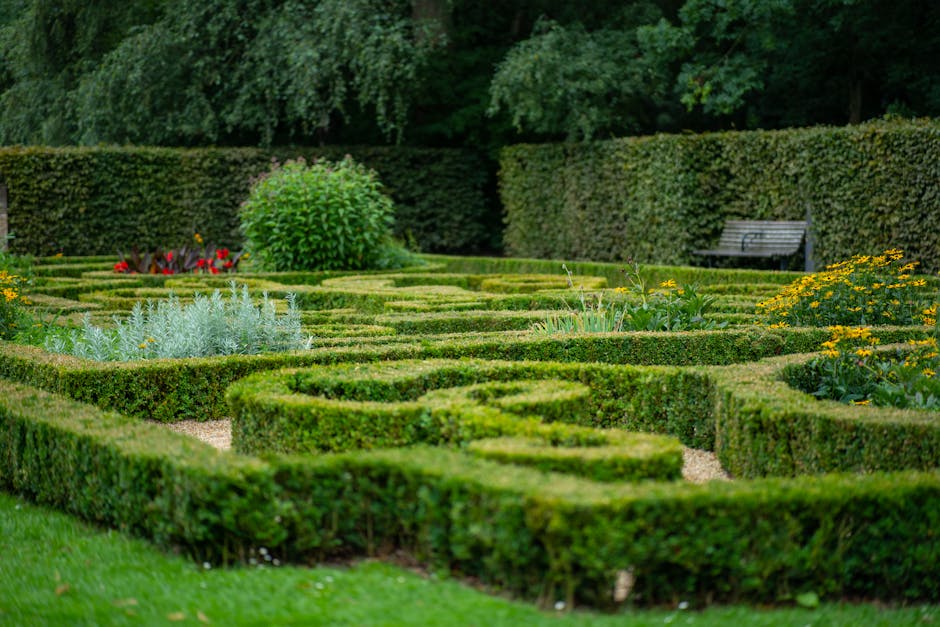
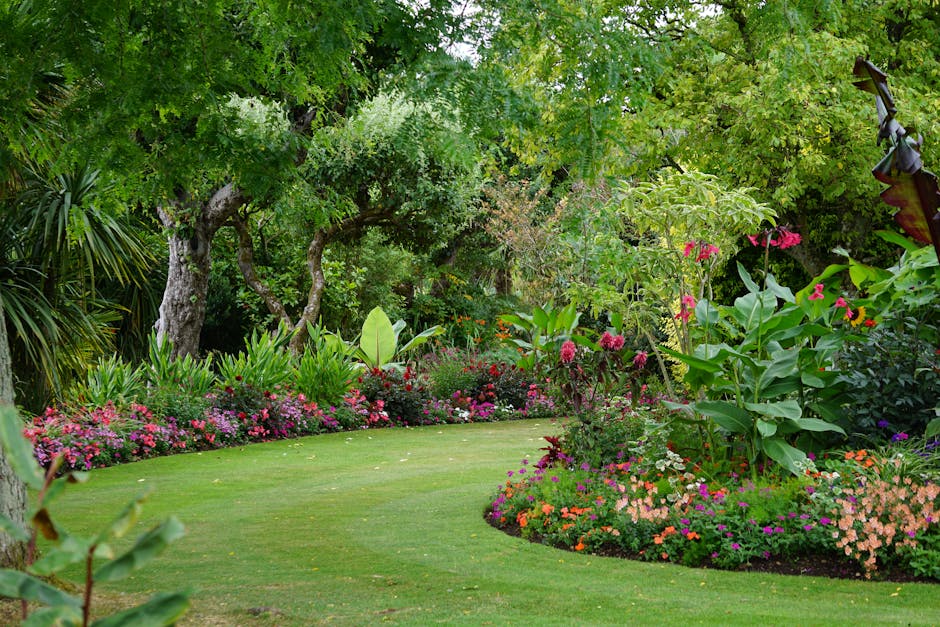
Same day gardeners Abbey Wood what to know for emergencies
If your garden has suddenly gone from "needs a tidy" to "needs sorting now," you are not alone. Fallen branches after a windy night, an overflowing pile of green waste before a move-out, a hedge blocking sightlines, or a lawn that has become unsafe and slippery can all turn into same-day jobs very quickly. This guide on Same day gardeners Abbey Wood what to know for emergencies explains what counts as an urgent garden issue, what to expect from a fast response, and how to make good decisions when time is tight. Truth be told, the biggest mistake people make in an emergency is waiting too long to call.
Whether you need emergency garden clearance, urgent hedge trimming, or help making a property safe before visitors arrive, the aim is the same: get the right work done quickly, safely, and without creating another problem for yourself. Let's make it simple.
Table of Contents
- Why same-day emergency gardening matters
- How same-day emergency gardening works
- Key benefits and practical advantages
- Who this is for and when it makes sense
- Step-by-step guidance
- Expert tips for better results
- Common mistakes to avoid
- Tools, resources and recommendations
- Law, compliance, standards, or best practice
- Options, methods, or comparison table
- Case study or real-world example
- Practical checklist
- Conclusion
- Frequently asked questions
Why Same day gardeners Abbey Wood what to know for emergencies Matters
A garden emergency is not always dramatic. Sometimes it is a practical problem with a deadline attached. A broken fence panel can expose a side passage. A storm-damaged tree limb can hang low over a driveway. Thick brambles can make access difficult for a tenant, tradesperson, or older relative. And yes, sometimes the "emergency" is a very human one: the estate agent is due at 3pm, and the garden looks like it has had a bad week and a half.
In Abbey Wood, same-day support matters because many outdoor problems affect safety, access, and presentation all at once. A garden that is cluttered, unstable, or hard to move through can quickly become more than an eyesore. It can create trip hazards, block entrances, or delay other work. If you are preparing for a handover, a family gathering, or simply trying to restore order after bad weather, fast action is often the sensible option.
There is also a cost to delay. A snapped branch left leaning against a wall can worsen. Wet leaves and mud can make paths treacherous. Overgrown shrubs can hide damage or pests. The quicker you deal with the issue, the more likely you are to keep the job small. That is the real point here.
Expert summary: same-day gardening is most useful when the issue affects safety, access, or time-sensitive presentation. It is less about perfection and more about getting the site back under control quickly and responsibly.
How Same day gardeners Abbey Wood what to know for emergencies Works
Same-day gardening is usually a fast-response service arranged for urgent garden work. The process is straightforward, though every provider will handle it a little differently. Most emergency jobs start with a quick call or enquiry, followed by a brief description of the problem, some photos if possible, and an estimate of how soon someone can attend.
For the homeowner or property manager, the key is to be precise. "It needs sorting" is true, but not very helpful. "A tree branch has fallen across the rear path," or "the hedge is blocking the front visibility line and needs trimming today" gives the team something concrete to work with. You will usually get a clearer response if you mention access, parking, the size of the area, and whether waste removal is needed too.
In practical terms, same-day garden work can include:
- urgent garden clearance
- storm cleanup and debris removal
- hedge trimming for access or visibility
- lawn mowing where growth has become unmanageable
- tree lopping or removal where a branch is unsafe
- basic tidying before inspections, move-outs, or events
If the job is more complex, such as structural landscaping or decking repairs, a same-day visit may still be possible for assessment or temporary make-safe work, even if the full project is scheduled later. That distinction matters. Emergencies are often about stabilising a situation first, then planning the rest properly.
A quick aside: a good same-day job is rarely the prettiest job on the day. It is the one that removes the immediate pressure. Neatness comes next, and that is fine.
Key Benefits and Practical Advantages
The obvious benefit is speed, but that is only part of the story. A fast response can prevent a minor issue from becoming a bigger one, especially after strong wind, heavy rain, or a sudden access problem. In many cases, same-day help also reduces stress. When you are looking at a messy, risky, or time-sensitive garden, having a plan within an hour or two can be a relief in itself.
Here are the main advantages people usually notice:
- Immediate risk reduction: loose branches, blocked paths, or slippery surfaces can be dealt with quickly.
- Better property presentation: useful if visitors, landlords, or buyers are due soon.
- Less disruption: the issue is handled before it interferes with daily routine.
- Lower chance of secondary damage: clearing debris early can stop further breakage or staining.
- Practical flexibility: many urgent jobs can be scaled to what matters most on the day.
There is also a quieter benefit that people often overlook: once the urgent part is handled, you can think more clearly. That sounds a bit obvious, maybe, but in real life it makes a difference. You stop reacting and start deciding.
If you want to compare what is most likely to be handled quickly versus what usually needs more planning, the table below helps.
| Urgent task | Usually suitable for same-day? | Why it works or why it may need more time |
|---|---|---|
| Fallen branches or storm debris | Yes | Often a priority because of safety and access issues |
| Overgrown hedge blocking a path or driveway | Yes | Can usually be reduced or cut back quickly |
| Large garden clearance after a tenant move | Sometimes | Depends on volume, waste access, and crew size |
| Tree removal with significant risk | Sometimes | May need assessment, equipment, or a phased approach |
| Decking redesign or landscaping works | Usually no | These are generally planned jobs rather than emergency callouts |
Who This Is For and When It Makes Sense
Same-day gardeners are not just for homeowners in a panic. They can be useful for landlords, letting agents, facilities teams, small businesses, and anyone who needs outdoor space made safe or presentable fast. If you are responsible for a property, the real question is not "Is it urgent in theory?" It is "Will this cause a problem if I leave it until next week?"
This type of service makes sense when:
- there is a safety concern, such as a blocked walkway or unstable branch
- you are expecting a valuation, inspection, viewing, or handover
- weather has caused sudden damage
- the garden has become inaccessible for residents or visitors
- you need a fast reset after a period of neglect
- you have limited mobility and cannot safely deal with the issue yourself
For many people, the trigger is not dramatic at all. It is simply the moment they realise, "I cannot leave this until the weekend." That is often enough. If your gut says the job is too awkward, too risky, or too time-sensitive, trust that instinct and ask for help.
If the problem is recurring rather than sudden, it may be worth looking at ongoing garden maintenance after the immediate issue is sorted. A lot of emergencies start as small jobs that were put off for too long. Human nature, eh?
Step-by-Step Guidance
When time is tight, a calm process helps. Here is a sensible way to handle a garden emergency without overcomplicating it.
- Identify the immediate problem. Is it access, safety, damage, or presentation? Pick the main issue first.
- Make the area safer if you can. Keep children, pets, and visitors away from unstable branches, sharp debris, or slippery paths.
- Take a few clear photos. A wide shot and one or two close-ups usually help more than a long explanation.
- List the essentials. Say what needs doing today, what can wait, and whether waste needs removing.
- Check access. Note gate width, parking restrictions, locked side returns, or any awkward entry points.
- Ask about timing and crew size. Same-day work is often faster when the job description is specific.
- Confirm the scope. Make sure the person attending understands whether you need a quick tidy, clearance, trimming, or emergency removal.
- Request clear pricing details. Ask what is included before work starts, especially if waste disposal or additional labour may be needed.
- Review the finished area. Check that hazards are removed, access is clear, and any leftover material is dealt with properly.
One practical example: if a hedge has grown into a footpath and someone clips it with a shoulder or pram, the same-day need is not cosmetic, it is functional. In that scenario, the job is to restore safe passage first. Straight lines can wait a day or two. Safety cannot.
Expert Tips for Better Results
In our experience, the best emergency jobs are the ones where the customer has thought about the outcome rather than just the problem. That does not mean you need to know horticulture terminology. It simply means deciding what "done" looks like before anyone arrives.
Use these tips to improve your result:
- Prioritise the critical area. If the whole garden is messy but the path is blocked, focus on the path first.
- Be honest about scale. A few bags of cuttings is one thing; a garden full of waste is another.
- Keep the objective simple. For emergencies, "safe, clear, usable" is often the right standard.
- Separate urgent from non-urgent work. That helps keep costs and timing realistic.
- Ask for waste handling up front. Otherwise you may end up with a pile left behind, which is not ideal on a rainy afternoon.
- Use maintenance follow-up. A fast response today can become a much easier job next time if you book proper upkeep later.
Also, if there is a tree concern, do not guess. A hanging limb, split trunk, or root movement can be hard to judge from a glance. It is better to ask for a proper assessment than to assume it is safe. That little bit of caution saves headaches.
Another useful move is to keep one or two photos from before the work starts. Not for drama. Just for reference. If the garden had severe overgrowth or storm damage, those images help you remember what was actually fixed, especially when the week gets busy and your brain is already onto the next thing.
Common Mistakes to Avoid
Urgent jobs tend to make people rush. Fair enough. But there are a few mistakes that crop up again and again, and they are easy to avoid once you know them.
- Waiting too long. A loose branch does not improve with age.
- Describing the job vaguely. "The garden is bad" is not enough for a proper same-day response.
- Forgetting access details. No one enjoys discovering a locked gate, a narrow side passage, or a parking problem at the last minute.
- Assuming all jobs can be finished fully the same day. Sometimes the right response is a safe first stage and a follow-up visit.
- Ignoring waste removal. Cuttings, branches, and rubble can create their own mess if not planned for.
- Choosing solely on speed. Fast is good, but safe and suitable matters too.
There is one more mistake worth mentioning: trying to fix a dangerous tree or large overgrowth yourself because it seems quicker. A ladder, a saw, and a gust of wind are not a great combination. To be fair, most people know this already, but once in a while enthusiasm gets ahead of judgement.
Tools, Resources and Recommendations
You do not need a professional toolkit to prepare for an emergency visit, but a few simple things help a lot. Think of this as making the site easier to work on, not trying to do the job yourself.
- Phone camera: useful for sending clear photos before the visit.
- Basic gloves and sturdy shoes: sensible if you need to move safely around the garden before help arrives.
- Bin bags or containers: handy for very small debris, though larger waste should be handled properly.
- Access notes: gate codes, parking restrictions, or neighbour permissions if relevant.
- Simple priority list: write down the top three things you need dealt with.
If you are unsure whether your issue is a clearance job, trimming job, or something broader, the services overview is a useful place to understand the main types of work. For specific urgent overgrowth, hedge trimming may be the obvious fit. If the garden has simply become unmanageable, garden clearance is often the better starting point.
For customers who want to understand service standards and how work is handled, it can also be reassuring to review the company's insurance and safety information and the health and safety policy. That is not just paperwork. In an emergency, it helps you know the job is being approached carefully.
Law, Compliance, Standards, or Best Practice
Emergency gardening in the UK is mostly governed by common-sense best practice, duty of care, and the practical realities of working safely on someone else's property. There is no need to overcomplicate it, but a few points matter.
First, anything involving unsafe access, sharp tools, falling debris, or unstable trees should be treated carefully. Professional gardeners are expected to work in a way that reduces risk to occupants, neighbours, and themselves. That usually means assessing the job, choosing suitable equipment, and not forcing a same-day completion if that would compromise safety.
Second, waste should be handled responsibly. Green waste, branches, and general garden debris should not just be dumped without thought. If you are planning a fast response, ask how the waste will be removed or whether there will be a separate charge. It is a simple question, and it saves confusion later.
Third, if you are a tenant, landlord, or managing agent, it is wise to think about access and responsibility before arranging work. A same-day appointment can solve the urgent issue, but the person booking the job should be clear on who has authority to approve it. That tiny bit of admin prevents awkward phone calls later.
Finally, always be cautious around trees. Large pruning, dismantling, or removal may need a more measured approach than standard garden tidying. If the problem is structural or appears unstable, it may be better to request a broader assessment than to ask for a rushed cut. Good best practice is not about doing everything at once. It is about doing the right thing in the right order.
Options, Methods, or Comparison Table
Not every urgent garden problem needs the same type of response. Choosing the right method saves time and avoids overpaying for the wrong kind of visit. Here is a simple comparison.
| Option | Best for | What it usually delivers | Limitations |
|---|---|---|---|
| Same-day emergency visit | Safety issues, access problems, storm damage | Fast stabilisation, clearance, or trimming | May not cover full redesign work |
| Planned garden maintenance | Routine upkeep and recurring tidiness | Regular mowing, trimming, and light care | Not designed for immediate callouts |
| Full garden clearance | Heavily overgrown or abandoned outdoor spaces | Major removal of waste and bulky growth | Can take longer if access or volume is difficult |
| Landscaping or landscape gardening | Layout changes, improvement works, longer-term changes | Design-led transformation or rebuilding of space | Usually not suitable for emergency timing |
| Targeted tree work | Unsafe branches or tree-related hazards | Reduction, removal, or make-safe action | Complex jobs may need more planning |
One practical rule helps here: if the problem is making the garden unsafe or unusable today, emergency response is appropriate. If the problem is that the garden simply looks tired, then planned work is usually better. Not glamorous advice, but accurate.
Case Study or Real-World Example
Picture a late afternoon in Abbey Wood after a sharp bit of wind. A branch comes down near the rear access path, and the gate is half blocked. The family can still get in and out, but only by stepping around the debris and squeezing past a hedge that has grown fuller than anyone remembered. The house itself is fine. The garden, less so.
The first decision is not "How do we make it beautiful?" It is "How do we make it safe and usable tonight?" A same-day gardener can remove the fallen branch, clear smaller debris, and cut back the hedge enough to restore access. If the waste is substantial, they may prioritise the path and return the rest to a later visit or a fuller clearance plan. Simple, sensible, sorted.
What made this kind of job successful was not speed alone. It was clear communication. The customer knew what mattered most, gave photos, mentioned the access route, and explained that the rear entrance needed to stay open for an elderly relative. That last detail changed the priority completely. Small detail, big difference.
After the urgent work, the customer booked ongoing garden maintenance so the hedge would not creep back into the path. That is the part people often miss. A same-day fix is the rescue; the maintenance plan is the prevention.
Practical Checklist
Use this checklist before you call for a same-day gardener in Abbey Wood. It keeps things focused, and a bit calmer too.
- Identify the main emergency: safety, access, storm damage, waste, or presentation.
- Keep people and pets away from unstable or messy areas.
- Take clear photos from a distance and up close.
- Write down the exact area that needs attention.
- Note gates, parking, narrow passages, and any access restrictions.
- Decide whether you need clearance, trimming, mowing, or tree work.
- Ask whether waste removal is included.
- Confirm whether the job can be completed in one visit or needs stages.
- Check that the provider follows sensible safety and insurance practices.
- Review what still needs doing after the urgent issue is resolved.
Quick reminder: if the problem is growing, leaning, falling, or blocking something important, treat it as urgent. It probably is.
Conclusion
Same-day gardening in Abbey Wood is not just about speed; it is about restoring control when the garden stops being manageable. If you understand what counts as an emergency, how to describe the job clearly, and what a good urgent response should include, you will make a far better decision under pressure. That matters whether you are dealing with storm debris, overgrowth, a blocked entrance, or a last-minute property deadline.
The best outcome is usually straightforward: make the area safe, clear the immediate problem, and plan the next step properly. Sometimes that next step is a bit of trimming. Sometimes it is a larger clearance. Sometimes it is simply a conversation about maintenance so the issue does not return. Either way, you are moving things in the right direction.
If you need help understanding the right service for a fast response, the next sensible step is to review the relevant service information, then get in touch and explain the situation plainly. Keep it simple and honest. That usually gets the best result.
Get a free quote today and see how much you can save.
And if today feels a bit chaotic, that is alright. Gardens recover. So do plans. One decent call can make a messy day feel manageable again.
Frequently Asked Questions
What counts as a gardening emergency in Abbey Wood?
An emergency usually means the garden issue affects safety, access, or time-sensitive use. Fallen branches, blocked paths, storm damage, and serious overgrowth are common examples.
Can a same-day gardener remove storm debris?
Yes, if the debris is accessible and the job is safe to carry out. Larger or more complex debris may need a fuller clearance plan, but immediate make-safe work is often possible.
How fast can same-day gardening happen?
It depends on availability, location, and the size of the job. Some urgent issues can be handled within hours, while others may only allow for a same-day assessment or partial clearance.
Is same-day gardening more expensive?
Often, urgent work can cost more than routine maintenance because it requires quicker scheduling and immediate attention. The final price usually depends on access, labour, and waste removal needs.
What should I send before the gardener arrives?
Send clear photos, a short description of the issue, access details, and any time constraints. The more precise you are, the easier it is to prepare properly.
Can I book same-day hedge trimming for access problems?
Yes, if the hedge is blocking a path, driveway, or line of sight, same-day hedge trimming is often a sensible solution. It is one of the more common urgent jobs.
Do I need to clear the garden myself first?
No, not usually. In an emergency, the point is to let a professional handle the problem safely. If you can move small items out of the way, that helps, but do not put yourself at risk.
What if the problem is a tree branch?
Tree-related issues should be treated carefully. If a branch is hanging, split, or unstable, ask for a proper assessment rather than trying to deal with it yourself.
Will the gardener take away the waste?
Sometimes yes, sometimes as an added service. Always ask in advance so you know whether the price includes collection and disposal of green waste.
Is same-day gardening suitable for landlords and letting agents?
Very much so. It can help with pre-inspection tidy-ups, safety issues, end-of-tenancy clearances, and urgent access problems before a handover or viewing.
What is the difference between garden clearance and garden maintenance?
Garden clearance is usually for heavier, more overgrown, or cluttered spaces. Garden maintenance is for regular upkeep such as mowing, light trimming, and keeping things under control.
How do I know if a job needs landscaping instead of emergency work?
If the problem is about redesigning, rebuilding, or improving the layout of the garden, it is usually a landscaping job rather than an emergency visit. If it is about safety or access today, it is more urgent.