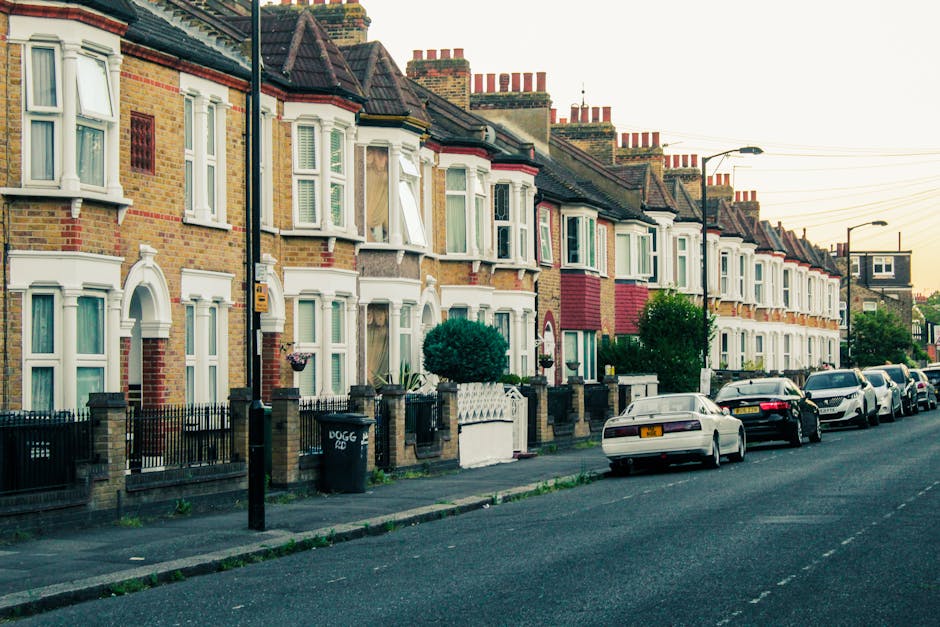
Top garden maintenance streets in SE2 Pier Road Harrow Manorway
If you live or work around SE2 Pier Road Harrow Manorway, you already know that garden upkeep can be oddly patchy from one street to the next. Some front gardens stay neat all year. Others get wild after one wet weekend and a few missed cutbacks. That's exactly why a focused look at the Top garden maintenance streets in SE2 Pier Road Harrow Manorway is useful: it helps you understand where regular care matters most, what good maintenance looks like locally, and how to keep outdoor space looking presentable without turning it into a second job.
Whether you're managing a small frontage, a shared boundary, a rental property, or a larger residential plot, the basics are the same: tidy edges, controlled growth, healthy lawns, and a plan that fits the season. In this guide, we'll cover the practical side of garden maintenance in the area, from common issues and decision points to service options and sensible standards. Nothing fancy. Just the stuff that actually helps.
Table of Contents
- Why Top garden maintenance streets in SE2 Pier Road Harrow Manorway Matters
- How Top garden maintenance streets in SE2 Pier Road Harrow Manorway Works
- Key Benefits and Practical Advantages
- Who This Is For and When It Makes Sense
- Step-by-Step Guidance
- Expert Tips for Better Results
- Common Mistakes to Avoid
- Tools, Resources and Recommendations
- Law, Compliance, Standards, or Best Practice
- Options, Methods, or Comparison Table
- Case Study or Real-World Example
- Practical Checklist
- Conclusion
- Frequently Asked Questions
Why Top garden maintenance streets in SE2 Pier Road Harrow Manorway Matters
The phrase may sound specific, but the underlying issue is very simple: local gardens have to cope with local pressure. Near busy roads and mixed residential streets, planting beds collect litter more quickly, lawns get compacted by foot traffic, hedges push out into paths, and weeds seem to appear overnight. Anyone who has tried to keep a front garden crisp through a damp British spring knows the feeling. You trim on a Saturday, and by the next Friday it already looks like the plants have had a quiet little argument with the weather.
Good maintenance matters because it protects appearance, safety, and plant health at the same time. A well-kept garden is less likely to block access, harbour pests, or become overgrown to the point where a reset is needed. That last part is important. A small, regular job is usually easier and cheaper than a major rescue later on. Truth be told, most neglected gardens don't become difficult because of one big mistake; they become difficult because nobody had a system.
For properties around Pier Road and Harrow Manorway, consistency also matters for kerb appeal. If you are renting, selling, or just trying to keep a home feeling looked after, the state of the front and rear garden sends a strong signal before anyone even steps inside. That's not vanity. It's maintenance doing its job.
How Top garden maintenance streets in SE2 Pier Road Harrow Manorway Works
In practical terms, garden maintenance is a repeatable process. It starts with looking at what the space needs now, then deciding what can wait, what needs doing regularly, and what should be tackled as a one-off. On a busy London street, that often means prioritising mowing, hedge trimming, weeding, edging, pruning, leaf clearance, and waste removal.
A solid maintenance routine usually follows a pattern:
- Inspect the space for overgrowth, weak patches, hazards, standing water, and blocked access.
- Set priorities based on what affects safety first, then appearance, then long-term plant health.
- Carry out the main tasks such as mowing, hedge shaping, deadheading, cutting back, and clearing debris.
- Remove waste properly so the garden ends the visit looking finished, not half-done.
- Review seasonal needs so the next visit is planned rather than improvised.
This is where a structured service approach helps. If you need a broader overview of what can be included, the services overview is a useful starting point. For ongoing care, many homeowners also look at dedicated garden maintenance support rather than piecing jobs together one by one.
In local streets, the exact mix can vary. A home with a narrow frontage may need frequent edging and light pruning, while a larger rear garden might require heavier seasonal work, more waste handling, and occasional clearance. That's normal. Gardens are living spaces, not spreadsheets.
Key Benefits and Practical Advantages
The benefits of regular garden maintenance are easy to see, but they go beyond neatness. A maintained garden behaves better. It drains more predictably, grows more evenly, and usually takes less effort to control over time. That sounds obvious, but it's the quiet advantage most people notice only after they stop maintaining the space for a while.
- Better first impressions for visitors, tenants, buyers, or customers.
- Reduced risk of trip hazards from uneven growth, hidden debris, or trailing stems.
- Healthier lawns and plants because they are cut, trimmed, and fed at appropriate times.
- Less drastic work later, which often means less disruption and lower overall effort.
- Clearer boundaries between garden, path, fence line, and shared access areas.
- Improved use of space, especially in compact urban gardens where every square metre matters.
There is also a psychological benefit. A tidy outside space changes how the whole property feels. You hear it from residents all the time: once the garden is back under control, the house feels less cluttered too. Funny how that works, isn't it?
For more intensive jobs, such as clearing an overgrown plot before maintenance can even begin, a one-off garden clearance can make the whole process much more manageable. If hedges are part of the problem, a clean, regular trim can stop them swallowing paths and windows.
Who This Is For and When It Makes Sense
This kind of local garden maintenance planning is for anyone who wants the outdoor space to look intentional rather than accidental. That includes homeowners, landlords, letting agents, flat managers with shared entrances, and busy households that simply do not have the time to keep up with every task.
It makes particular sense if:
- your garden has become inconsistent from month to month;
- hedges or shrubs are starting to affect light, access, or privacy;
- the lawn is patchy and needs regular attention rather than a one-off cut;
- leaf fall, weeds, or debris keep coming back;
- you need the outside area to look presentable for viewings or family events;
- you have seasonal growth that gets away from you quickly after rain and mild weather.
It also makes sense if you want to avoid the awkward stage where a garden looks "fine from a distance" but reveals all sorts of issues up close. That stage happens a lot. A quick glance can hide a surprising amount of work.
If you're dealing with a mixed set of tasks, it can help to combine lawn mowing with hedge work or cutting back border growth. And if trees are overshadowing the space or dropping too much debris, occasional tree lopping and removal may be part of the bigger picture, though that should always be approached carefully and only where genuinely needed.
Step-by-Step Guidance
Here is a practical way to think about maintenance for streets around SE2 Pier Road Harrow Manorway. It's not complicated, but it works if you stick to it.
1. Walk the garden before you touch anything
Start with a full walk-through. Look at the lawn, borders, fence line, paving, beds, and any access points. Notice what is actually growing, what is dead, and what is blocking the space. This sounds basic, yet plenty of messy outcomes come from skipping the scan and jumping straight to the mower.
2. Separate urgent jobs from cosmetic jobs
If a branch is hanging low, a path is blocked, or a hedge is spilling into the pavement, handle that before anything decorative. Safe access comes first. After that, you can work on shape and finish. It's a simple ordering, but it saves time and avoids making a neat garden look oddly unfinished.
3. Cut back growth in the right sequence
Usually, the best order is clear, cut, trim, then tidy. Remove loose debris before mowing. Trim hedges before final edging if the clippings will fall onto the lawn. And don't be tempted to "just take a bit more off" at the last minute unless you know the plant can cope. Overcutting is one of those small mistakes that lives with you for weeks.
4. Check the soil and drainage conditions
After wet periods, certain parts of the garden may stay soft or waterlogged. Repeated foot traffic there will compact the soil and slow down recovery. In practice, that means you may need to avoid heavy work on those spots until they dry a little, especially if the garden backs onto a narrow passage or shared area.
5. Finish with a full tidy-up
The "after" matters. Sweep paths, gather cuttings, remove weeds from edges, and leave bins or bags in a sensible place. A maintenance visit feels far more professional when the garden is left clean, not just shorter.
A lot of people think garden work is all about cutting. It really isn't. Tidying is part of the job, and honestly, it often makes the biggest difference.
Expert Tips for Better Results
Here are a few practical habits that make maintenance easier over the long run. Nothing dramatic. Just the sort of things that save you from bigger headaches later.
- Stick to a rhythm. Regular light maintenance is easier on plants than irregular heavy cutting.
- Use seasonal judgment. Spring growth, summer dry spells, and autumn leaf drop each need a slightly different approach.
- Watch the edges. Overgrown borders and fence lines make even a mown lawn look untidy.
- Don't ignore clippings. Leftover debris can smother grass, attract pests, and make the garden look rough again by the next day.
- Keep an eye on access routes. Side paths, bin areas, and back gates can become awkward if shrubs spread too far.
- Think ahead about waste. If you know a job will generate a lot of green waste, plan for removal rather than leaving piles in the corner.
One useful local observation: in streets where gardens are relatively small and visible from the pavement, detail matters more than scale. A crisp edge, trimmed hedge, and weed-free path can do more for appearance than a huge amount of planting ever will. That's especially true in winter, when structure shows through more clearly.
If you are comparing help for more decorative work, landscape gardening and landscaping are useful routes when the aim is not just to maintain, but to improve the layout and usability of the space. Different job entirely, but related enough to matter.
Common Mistakes to Avoid
It is surprising how often the same problems appear. Most of them are avoidable, which is the annoying part.
- Leaving jobs too long. Once a hedge or border has run away, the recovery takes more time and usually more waste removal.
- Cutting too hard in one visit. Some plants respond badly to heavy-handed trimming, especially if they are already stressed.
- Ignoring the lawn edges. A neat centre with messy borders still reads as untidy.
- Forgetting disposal. Cuttings left behind can undo half the work.
- Trying to do everything in one go. A phased approach often gives a better result, especially on larger gardens.
- Overlooking safety. Slippery surfaces, unstable ladders, hidden glass, and thorny cutbacks are common enough to deserve respect.
Another common issue is assuming that "maintenance" means the same thing every month. It doesn't. A garden in early spring needs different attention from one in late summer. If you treat them the same, things start to look a little odd, and not in a charming way.
Tools, Resources and Recommendations
The right tools depend on the scale of the work, but a well-equipped maintenance approach usually includes the basics below. You do not need every shiny gadget in the shed. In fact, most people are better off with fewer tools used properly.
| Task | Useful Tools | What to Look Out For |
|---|---|---|
| Lawn care | Mower, edging tool, rake | Even cut, clean edges, no clumping |
| Hedge trimming | Shears, hedge trimmer, gloves | Fresh blades, safe reach, even shape |
| Weeding | Hand fork, trowel, kneeler | Remove roots where possible, not just tops |
| Clearance | Rake, sacks, barrow, pruning saw | Plan disposal before you start |
| Pruning | Secateurs, loppers, saw | Clean cuts, correct timing, no tearing |
For people who want a professional standard without having to build up all the kit, a maintenance plan with dependable waste handling and regular visits is usually the sensible option. If you want to know more about how costs are handled, pricing and quotes can help set expectations before any work begins.
And if you value responsible disposal, it is worth asking how green waste is handled. Many customers care about recycling and sustainability these days, quite rightly, and keeping organic waste out of general rubbish streams is usually the better approach. You can also read more about recycling and sustainability if that is important to you.
Law, Compliance, Standards, or Best Practice
For most garden maintenance jobs, the main concern is not complex legal compliance; it is good practice, safety, and basic neighbourly consideration. That said, there are still a few things worth keeping in mind in the UK context.
Work near boundaries, paths, and shared access should be handled carefully so you do not create a nuisance or block movement. If pruning affects trees or larger woody growth, it is sensible to check whether the work is appropriate for the plant and safe for the site. Hedges, overhanging branches, and dropped debris can also become a problem if they spill into public-facing areas. No drama, just common sense really.
Best practice usually means:
- using the right equipment for the size of the task;
- wearing suitable gloves, eye protection, and sturdy footwear where needed;
- keeping walkways and entrances clear;
- disposing of green waste properly;
- working within the plant's seasonal needs rather than forcing cuts at the wrong time;
- using insured, careful professionals for higher-risk tasks.
If you are hiring someone, it is reasonable to ask about safety processes and insurance. A reputable provider should be able to explain how they work. For peace of mind, the site's insurance and safety information and health and safety policy are useful pages to review before booking. That is not overthinking it. It is sensible.
Options, Methods, or Comparison Table
Different gardens need different levels of input. Here's a straightforward comparison to help you decide what kind of approach makes sense.
| Approach | Best For | Pros | Trade-Offs |
|---|---|---|---|
| Light routine maintenance | Small, manageable gardens | Quick, affordable, easy to keep up | Needs regular attention |
| Seasonal maintenance visits | Gardens with slower growth or limited use | Covers key jobs without constant visits | May not stop fast growth between visits |
| One-off reset and tidy | Overgrown or neglected spaces | Brings the garden back under control | Can be more disruptive and waste-heavy |
| Maintenance plus improvement | Properties needing both upkeep and layout changes | Better long-term usability and appearance | Usually takes more planning |
If you are unsure which route fits, start with the space as it is now, not the space you hope it becomes. That small difference saves a lot of disappointment. For a few homes near busy streets, a basic recurring visit is enough. For others, especially gardens that have been left a little too long, a clearance-first approach is the honest answer.
Case Study or Real-World Example
Here's a simple real-world example. A typical front and rear garden near a busy SE2 road might look acceptable from the pavement in early spring, but by mid-summer the hedge has blurred into the path, the lawn has become uneven, and weeds have started creeping out from the edges. Nothing catastrophic. Just enough to make the property feel tired.
The sensible response is not to throw every tool at it. First, the hedge is cut back to restore the boundary line. Then the lawn is mown and edged. After that, beds are weeded, dead material is removed, and the space is checked for recurring issues like poor drainage or roots lifting paving. If the rear area is very cluttered, a separate garden clearance might be the right starting point before normal maintenance resumes.
What tends to surprise people is how much calmer the garden feels after the first proper tidy. You notice the shape again. Light comes back in. The whole place breathes a bit better. That's not poetic fluff, either; it's just what happens when growth stops fighting the layout.
Practical Checklist
Use this quick checklist before and after any garden maintenance visit around Pier Road and Harrow Manorway.
- Check access gates, side paths, and entrances are clear.
- Identify overgrown hedges, weeds, and dead or damaged growth.
- Confirm whether the lawn needs mowing, scarifying, or just edging.
- Decide if clearance is needed before fine maintenance begins.
- Remove or secure loose items like pots, toys, and garden furniture.
- Plan for green waste collection or disposal.
- Inspect for slippery surfaces, broken fixtures, or hidden hazards.
- Finish with edging, sweeping, and a final visual check.
- Note anything seasonal that needs attention next time.
- Keep a simple routine so the garden does not drift back into neglect.
Expert summary: The best garden maintenance is usually the boring kind - regular, tidy, and slightly unglamorous. That's the good news. A little consistency goes a very long way, especially on streets where weather, foot traffic, and compact spaces all work against you.
If you are comparing providers, it is also sensible to learn a little about the people doing the work. A transparent about us page can help you judge whether a team fits your expectations, while the main contact page is the obvious next step when you are ready to ask questions. Nothing complicated.
Conclusion
Top garden maintenance streets in SE2 Pier Road Harrow Manorway is really about one thing: keeping outdoor spaces looking cared for before problems pile up. The best results come from simple routines, realistic timing, and a clear plan for what gets done now versus later. You do not need to overcomplicate it. In most cases, the best-maintained gardens are the ones that are quietly looked after, week by week and season by season.
Whether you need a light tidy, hedge cutting, regular lawn care, or a full reset before ongoing maintenance begins, the key is to start with the right level of support and stay consistent. Once a garden has a rhythm, it gets much easier to keep it that way. And that, honestly, is the part people feel most relieved by.
Get a free quote today and see how much you can save.
When your garden feels under control, the whole property settles too. That small bit of order outside can make home feel better inside, and that's worth getting right.
Frequently Asked Questions
What does garden maintenance usually include in SE2?
It usually includes mowing, hedge trimming, weeding, edging, pruning, leaf clearance, and general tidying. Some gardens also need clearance work first if they have been neglected.
How often should a garden near Pier Road or Harrow Manorway be maintained?
That depends on growth and use. Fast-growing gardens may need attention every couple of weeks in peak season, while smaller or slower-growing spaces may only need monthly or seasonal visits.
Is a one-off garden tidy enough, or do I need regular maintenance?
If the garden is already reasonably controlled, a one-off tidy may be enough for now. If growth keeps returning quickly, regular maintenance is usually the better long-term choice.
What is the difference between garden clearance and garden maintenance?
Clearance is for bringing an overgrown or cluttered space back under control. Maintenance is the ongoing work that keeps it tidy afterwards. They often work best together.
Can hedge trimming be part of a wider maintenance visit?
Yes, and it often should be. Hedges that are maintained alongside lawns and borders tend to keep the whole space looking much more balanced.
How do I know if my lawn needs more than just mowing?
If it is patchy, compacted, weedy, or uneven, mowing alone will not solve the issue. It may need edging, feeding, aeration, or a broader maintenance plan.
What should I ask before booking a garden maintenance service?
Ask what is included, how waste is handled, whether the team is insured, and whether they can deal with any awkward access or overgrown areas. Clear answers matter.
Are there safety concerns with overgrown gardens?
Yes. Hidden debris, slippery paths, unstable branches, and obscured access points can all create risks. It is sensible to deal with those early rather than waiting.
What if my garden is too overgrown for normal maintenance?
That is usually a clearance job first. Once the space has been cut back and cleared, normal maintenance can take over and keep it manageable.
Do I need to think about waste disposal after garden work?
Absolutely. Green waste can build up quickly, and leaving it on site can make the garden look unfinished. Planning disposal is part of a proper job.
How can I keep a small front garden looking tidy between visits?
Focus on the visible bits: edges, weeds, pots, and the hedge line. Small, frequent checks work better than letting the whole thing drift for weeks.
Where can I find more detail about the services available?
You can review the broader services overview and the specific pages for lawn mowing, hedge trimming, garden clearance, and garden maintenance to see what fits your needs best.